

-36x36.jpg)
-36x36.jpg)





-60x60w.jpg "ARIADNA by Vorteleather — Women’s Leather Jacket")

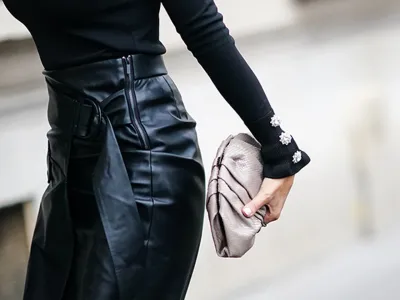
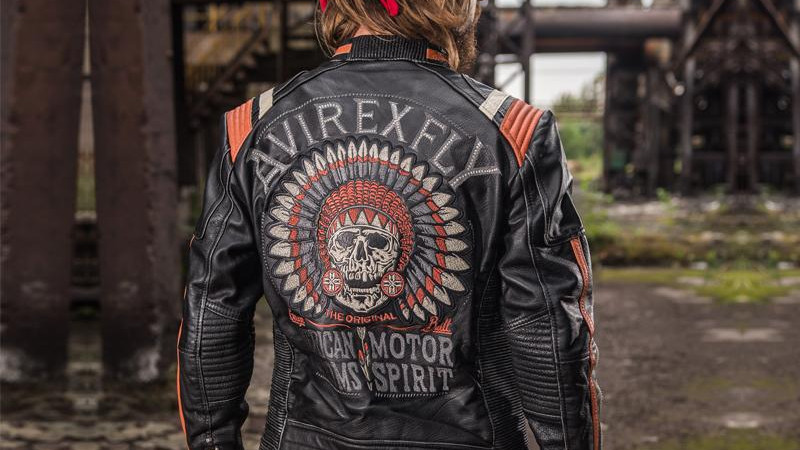
A leather jacket isn’t just another item in your wardrobe. It’s a manifesto. It can add confidence, highlight status, or become a symbol of a rebellious spirit. But how do you find that “best” jacket among thousands of options?
At P.Vorte Custom Leather Studio, we’re convinced: there is no universal perfect jacket. There’s only the one that’s perfect for you. To find it, evaluate a piece by three criteria: Origin, Anatomy, and Price.
1. The Geography of Quality: Why It Matters
The market is flooded with mass-produced goods where the main goal is to reduce cost. Often, behind a beautiful picture hides low-grade leather “poured over” with paint to mask imperfections.
True luxury has a geographic signature. The best raw materials (lamb leather, sheepskin) traditionally come from Italy and Spain, where tanning technologies have been passed down for centuries. P.Vorte works with exactly this kind of supply. Leather from North America and Western Europe has a “living” face: it’s elastic, resilient, and strong.
Tip: Ask about the origin of the leather. If it’s mass-market production from Asia, be prepared that the piece may lose its look after a season.
2. Anatomy: Ready-to-Wear vs. Made-to-Measure
Ready-to-wear jackets are made for an averaged body. But are people ever “average”? Sleeves that are too long, excess fabric on the back, tight shoulders—these are compromises you accept when you buy off the rack.
The “best” jacket is the one that respects your biomechanics. It shouldn’t restrict movement when you sit behind the wheel or raise your arm. Custom tailoring allows a piece to be built around you—fitting flawlessly and emphasizing the strengths of your frame.
3. The Math of Value
Let’s be realistic: quality can’t be cheap. The price of a jacket is made up of three components:
- Material: the cost of selected Italian leather is fixed in euros—and it’s high.
- Craft: complex construction, perfect seams, and an artisan’s handwork require time and skill.
- Hardware: Riri or YKK Excella zippers cost many times more than standard ones, but they last for years.
If the price seems suspiciously low (mass-market level), it means the maker saved on at least one of these pillars. When you invest in P.Vorte quality, you’re paying not for a logo, but for durability and premium materials.
Checklist: How to Feel Quality with Your Hands
Even if you order bespoke, you should know what to look for. Here are the signs of a great jacket:
- Weight & feel. Lamb leather is light and soft. If a jacket feels heavy and stiff, it’s likely low-grade cowhide.
- Seams. Check difficult areas—underarms, collar. Seams should be even, with no skipped stitches. A crooked seam isn’t “handmade”—it’s careless.
- Lining. It should be made from breathable materials (viscose, cotton). Synthetics trap heat and kill comfort.
- Scent. Quality leather has a pleasant, noble aroma. A sharp chemical smell signals cheap processing methods.
Conclusion
Don’t search for the “best” jacket inside someone else’s patterns. Create your own. Choose the style, leather, and hardware—and we at P.Vorte will unite it all with impeccable craftsmanship.
We stand behind the quality. You create the style.